Cold Rental Floors: What to Put Down Before October
Tile, laminate, and old hardwood all get cold the same way. The fix is a rug, but not the rug you would buy in spring.
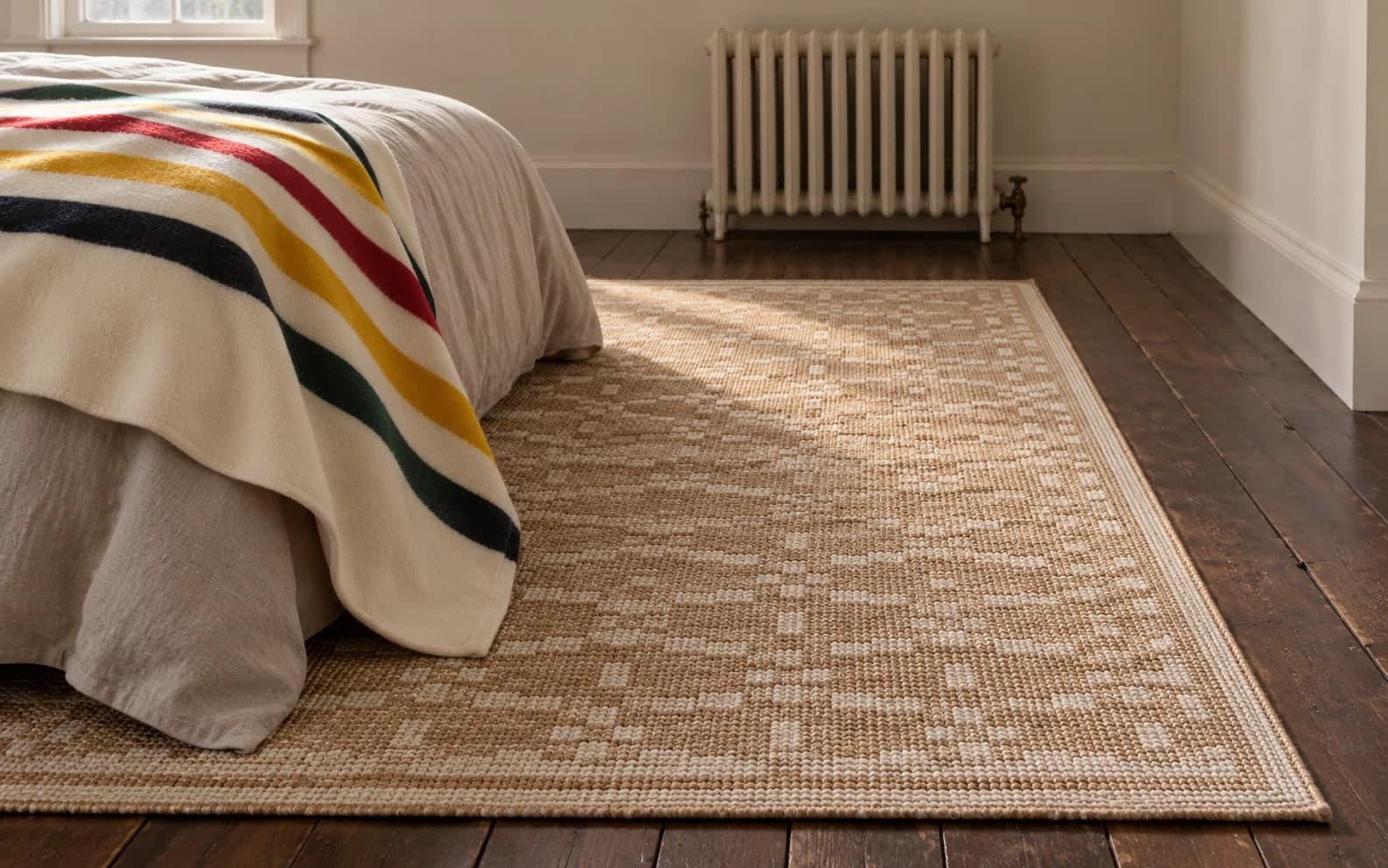
The first cold morning is always the same. You get out of bed, put a foot on the floor, and understand something about the apartment you did not understand in August. Tile is the worst, but laminate and old hardwood are not far behind — anything on a slab or over an unheated space turns into a cold plate the moment the nights drop.
The landlord is not going to fix this. Underfloor heating is not on the table. What is on the table is a rug, chosen for a different reason than the one you would choose in spring.
What a rug is actually doing
A rug on a cold floor is insulation, not decoration. It is a layer of fibre between your feet and a surface that is conducting heat away from them. That changes what to look for.
In spring you might buy for colour or pattern. In October you buy for three things: how much fibre is between your foot and the floor, how large an area it covers, and whether it can be walked on in socks a hundred times a day without shedding. Pattern is nice. Coverage is the point.
The mistake is buying small. A five-by-seven in a room that needs an eight-by-ten leaves a cold border around every wall, and you will walk on that border more than you think. Buy the size that gets under the furniture, not the size that sits in front of it.
The all-over answer: jute, at full size
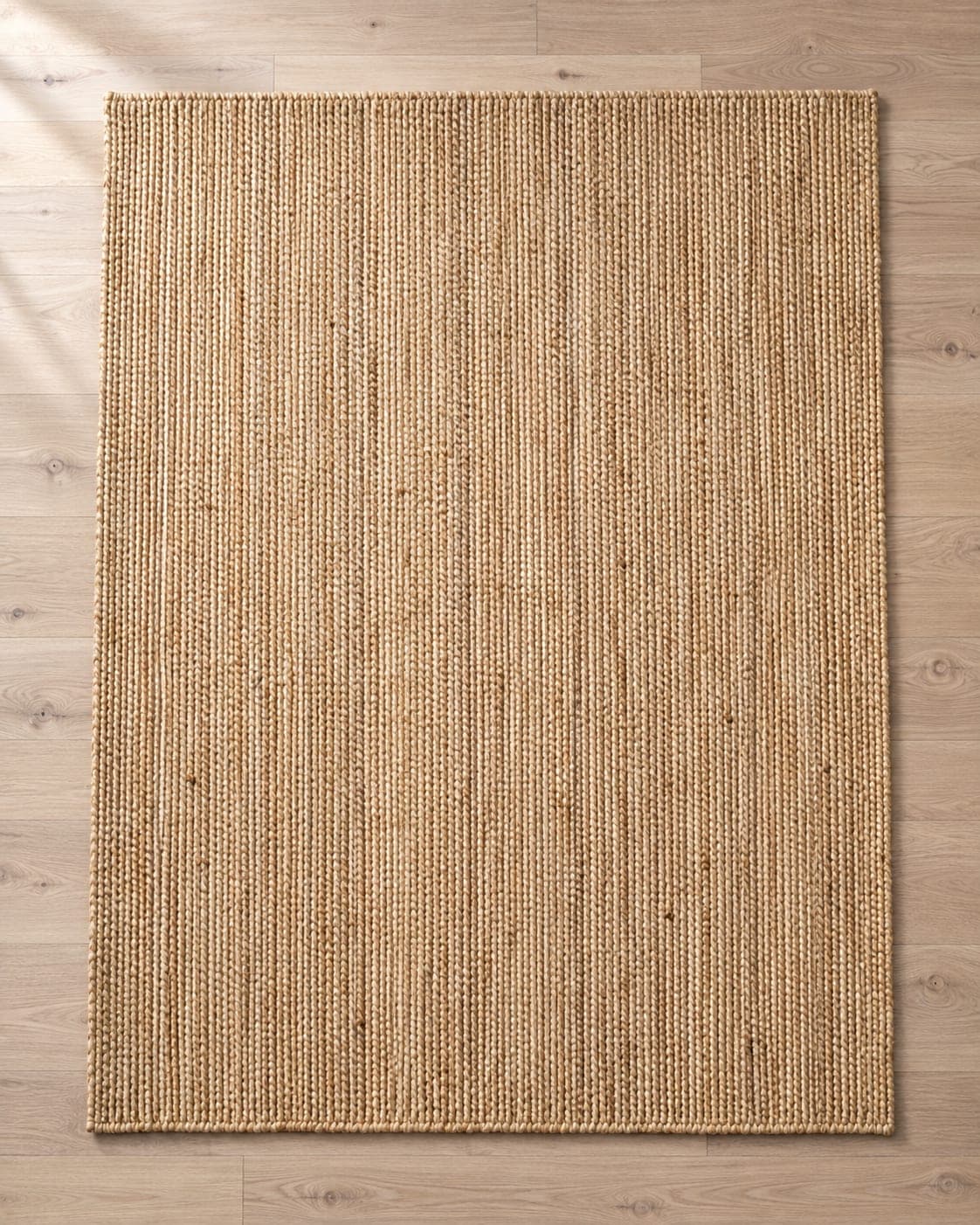
Jute is the fibre for this job for one reason: it is the cheapest way to cover a large area with a thick natural weave. An eight-by-ten in wool costs what a month's rent does. An eight-by-ten in handwoven jute does not, and it puts a dense layer of fibre under the whole room.
It is not soft the way wool is soft. It is textured, a little rough, warm underfoot in the way a sisal doormat is. What it is not is cold — and it takes shoes, which matters when the floor is too cold to go without them.
nuLOOM
Rigo Jute 8x10 Natural
A handwoven, 8-by-10-foot jute rug that brings natural texture to your living space.
See merchant for current price
Check pricePut a felt pad under it. On a cold floor the pad is doing half the insulating, and it stops the jute from sanding the finish off a hardwood you are responsible for returning.
The softer answer: jute and cotton, for the bedroom
The one place jute alone is wrong is beside the bed — the first place a bare foot goes in the morning. There you want something that gives.
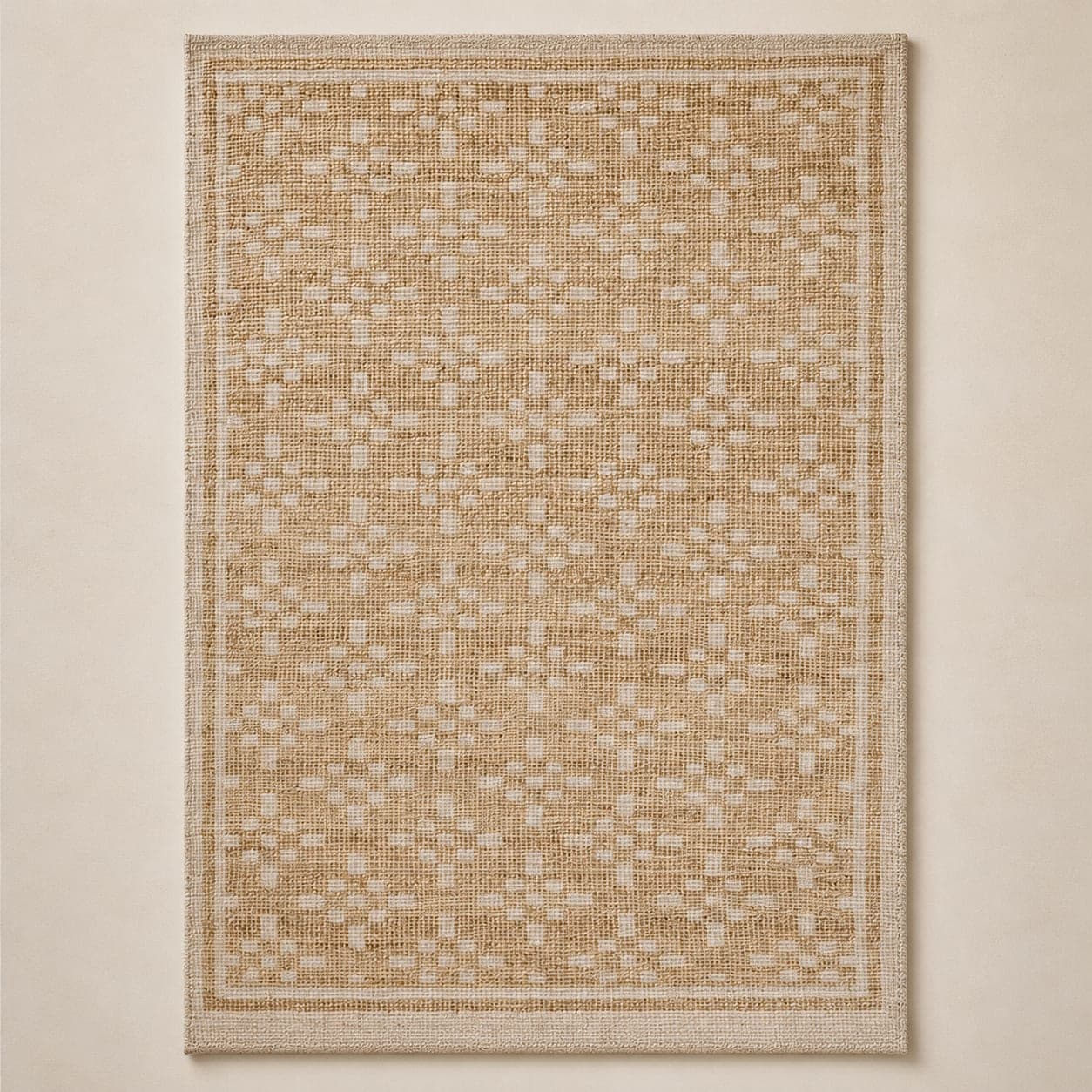
A jute-cotton blend is the compromise. Cotton in the weave takes the edge off, so it reads as soft rather than textured, while the jute keeps it dense and flat and stops it from bunching under the bed frame. The natural and ivory colouring hides the dust a bedroom rug collects.
Loloi
Chris Loves Julia Judy JUD-07 5x7-6
A textured jute-blend rug in natural and ivory tones for an easygoing, neutral foundation.
See merchant for current price
Check priceA five-by-seven works here, run lengthways along the side of the bed so the first two steps land on it. This is the one room where the smaller size is correct.
The thing that is not a rug
Some floors cannot be rugged — a galley kitchen, a bathroom, a hallway too narrow for anything but a runner. For the chair you sit in on those cold evenings, the answer is on the chair, not under it.
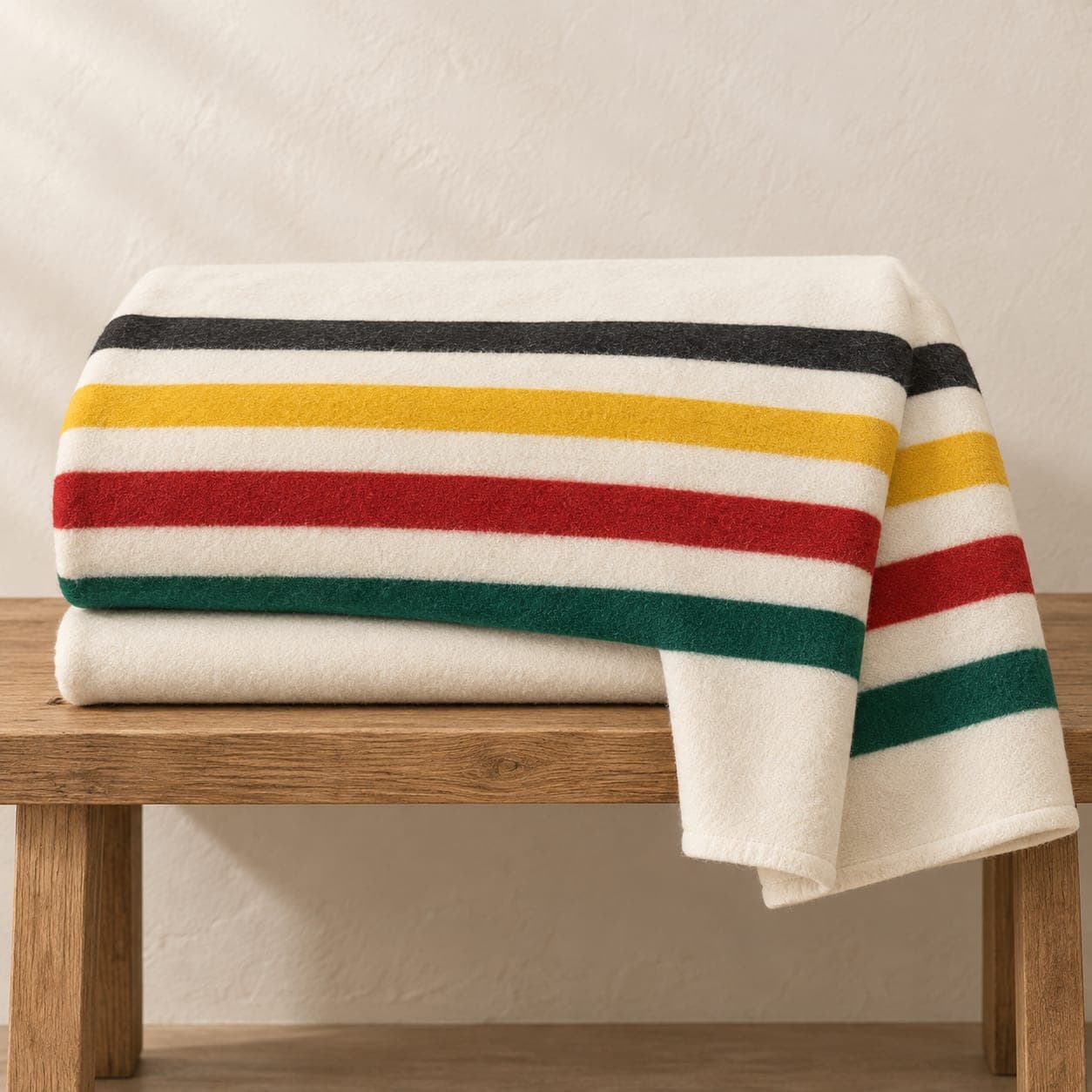
A heavy wool blanket over the arm of the sofa is the cheapest warmth in the apartment. It costs nothing to run, it is warm the second you pull it over your legs, and it looks right folded when it is not in use. Wool specifically: cotton throws are decorative, wool is a heat source.
Pendleton
National Park Blanket Queen Glacier
A queen-size wool blanket featuring Pendleton’s recognizable Glacier National Park stripes.
See merchant for current price
Check priceQueen size is not too big for a sofa. It is the size that covers two people, or one person and their feet, which is the whole point.
The order to do it in
If the budget covers one thing this month, it is the large rug for the room you sit in. The bedroom rug is next month. The blanket goes on the list the first evening you notice you are sitting with your feet tucked under you.
Shop the look
Warm underfoot until spring
Do it before October. The rugs are the same price in November, but by then you will have spent three weeks putting socks on to make coffee.